
How Much Does It Cost to Paint a House Exterior
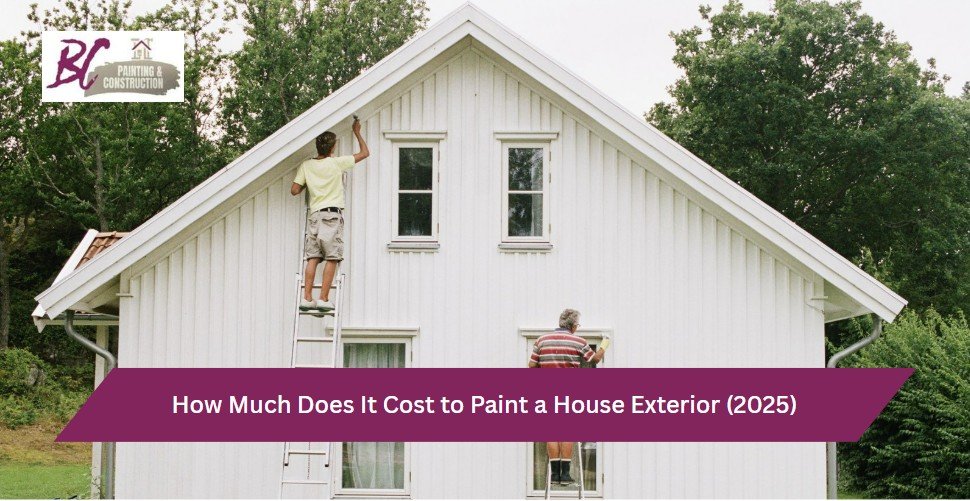
If you’re planning to refresh your home with a new coat of paint, one key question is: how much will it cost? In this guide, you’ll learn the current cost to paint exterior of house, see real 2025 numbers, and understand which factors influence the price. We’ll also walk through a cost breakdown, comparisons, and tips to keep your project on budget.
Current Average Costs (2025)
Here’s a cost table based on recent data and industry sources:
| Category | Range / Rate | What It Reflects |
|---|---|---|
| Per sq ft (standard) | $1.50 – $4.00 | From Angi estimates for basic exterior jobs (Angi) |
| Per sq ft (Premium / full service) | $2.16 – $4.30 | Homewyse estimated range for July 2025 (Homewyse) |
| Two-story or complex home (2,000–3,000 sq ft) | $6,500 – $8,000+ | Roe Painting’s estimate for full repainting (roepaint.com) |
| Typical total cost (moderate home) | ~$3,178 | Angi average total cost for many homes (Angi) |
| Labor share vs materials | 50–70% labor | Labor often dominates overall cost |
Per Square Foot Estimates
In 2025, the average cost to paint exterior of house depends largely on the home’s size, surface type, and paint quality.
According to CertaPro Painters, most professionals charge between $4.25 to $7.95 per square foot for full-service exterior painting. This cost usually includes surface preparation, primer application, and two coats of premium-grade paint.
For smaller or simpler homes, ALLBRiGHT 1-800-PAINTING reports more conservative ranges from $1.50 to $4.00 per square foot, which bundle labor, materials, and prep work together. This pricing is common for single-story homes or vinyl siding that requires less effort to paint.
However, homes with multiple stories, complex trim, or textured siding often move toward the higher end of the pricing scale. Painters may also increase rates for homes in areas with harsh weather, where high-quality, weather-resistant paint is needed to ensure long-term protection.
To estimate quickly:
A 1,000 sq ft small home may cost around $1,800–$3,000.
A 2,000 sq ft medium home may range between $4,000–$6,500.
Larger or luxury homes exceeding 3,000 sq ft can go $7,000–$10,000+, depending on finishes, trim, and accessibility.
These averages provide a realistic overview, but every project varies based on labor rates and paint types used.
Typical Project Totals
When calculating total exterior painting costs, homeowners should focus on both project scale and surface condition.
According to Brick & Batten, a 2,000-square-foot home typically costs around $5,200 to repaint, assuming average surface prep and two paint coats. This estimate includes quality paint materials and professional labor.
Online home painting calculators, such as Construct Estimates, show a wider range — between $3,000 and $5,000 for standard single-story homes with minimal repairs. These tools use inputs like square footage, paint quality, and local labor rates to offer quick estimates.
For houses that require two or more coats, detailed surface repair, or specialized finishes, ROE Paint reports that costs can rise to $8,000 or more. Factors like cracked siding, wood rot, or mildew cleanup significantly add to total pricing.
If your home includes decks, fences, or detached garages, those surfaces may increase your overall painting cost by 10–20%. It’s best to get separate estimates for those structures to avoid surprise charges later.
Material vs. Labor Share
Most homeowners are surprised to learn that labor costs dominate exterior painting expenses. Typically, labor makes up 50–70% of the total bill, while materials and paint account for the rest.
This high labor share reflects the detailed prep work required before any paint touches the surface—cleaning, sanding, scraping, priming, and masking all take time and skill. Poor prep can shorten paint life, which is why professionals invest heavily in this stage.
Premium-quality paints, on the other hand, can make up 30–40% of the total. Weather-resistant, low-VOC, or UV-blocking paints cost more upfront but offer longer protection and color retention, reducing the need for frequent repainting.
Additional factors that increase material costs include:
Specialty coatings or primers for stucco, brick, or wood.
High-end finishes for trims or shutters.
Add-ons like caulking, fillers, or protective sealants.
Investing in durable paint products can reduce long-term maintenance expenses. While low-end paints might save a few hundred dollars now, they often require reapplication in just three to five years—doubling total lifetime costs.
Key Factors That Affect Cost
Understanding what drives exterior painting costs helps homeowners plan smarter and avoid surprise expenses. Whether you’re painting a single-story bungalow or a multi-level modern home, these core factors directly influence your final project quote.
1. Home Size and Stories
The bigger the house, the higher the cost — simple as that. Multi-story homes require more labor, time, and safety equipment like ladders or scaffolding. A one-story, 1,200 sq. ft. home might cost around $3,000, while a 2,500 sq. ft. two-story home could easily reach $6,000–$8,000, depending on complexity.
2. Surface Condition & Preparation Work
Surface prep is where costs can quietly double. If your siding has cracked paint, water damage, or mold, painters must spend hours scraping, sanding, and applying primers before the first coat even starts. Proper prep ensures paint adheres smoothly and lasts years longer — a smart investment rather than a shortcut.
3. Siding or Material Type
The surface material matters more than most homeowners realize.
-
Vinyl and aluminum are smooth and easy to paint, requiring less labor.
-
Wood and stucco, however, demand detailed brushing and sealing, often increasing labor time by 25–40%.
-
Brick exteriors need specialized masonry paint that’s costlier but offers better durability against moisture and UV damage.
Each material changes how paint bonds and how long it lasts — so estimates vary.
4. Paint Quality & Finish Type
Paint isn’t just paint anymore. Modern options include UV-resistant, weatherproof, and low-VOC formulas designed for eco-conscious homeowners. While standard exterior paints cost around $30–$50 per gallon, premium brands can reach $70–$100 per gallon but deliver a smoother finish, richer color, and extended life.
Choosing quality paint can mean fewer repaints and long-term savings — even if the upfront price is higher.
5. Accessibility & Height Challenges
Not all walls are equally easy to reach. Homes with steep rooflines, second floors, or awkward architectural angles often need lifts or scaffolding, adding extra time and labor costs. Difficult access points can also increase insurance and safety expenses, particularly for painting companies following OSHA standards.
6. Trim Work & Architectural Features
Detailed trim, decorative railings, shutters, or window frames demand precise, time-consuming brushwork. If your home includes multiple windows, ornate moldings, or porch columns, expect your cost to rise accordingly. While these features enhance curb appeal, they also increase the hours and materials required for a professional finish.
Pro Tip:
Before requesting quotes, inspect your exterior closely and note areas needing repairs, caulking, or mildew removal. This helps painters provide more accurate estimates and prevents mid-project cost surprises.
Use Light Colors to Open Up Small Rooms
Estimating the cost of painting your home’s exterior doesn’t have to be complicated. With a few calculations and a clear understanding of what affects pricing, you can create a realistic budget before hiring a contractor. Follow these steps to calculate your approximate project cost with confidence:
1. Measure the Paintable Area
Start by measuring each wall’s length × height to calculate total square footage. Don’t forget to subtract windows, doors, and non-paintable areas to get a true paintable surface.
For example, if your home has 2,000 square feet of total wall space but 200 square feet are taken up by windows and doors, your paintable area would be around 1,800 sq. ft.
Pro Tip: For multi-story homes or complex designs, add 10–15% extra surface area to account for hidden trim or overlapping sections.
2. Decide on Coats and Overshoot
Most exterior projects require two full coats of paint for even coverage and long-term protection. It’s also smart to factor in a 10% overshoot for touch-ups, texture variations, or paint absorption on porous materials like stucco or wood.
While one coat might save money upfront, it often leads to fading and peeling within a year or two — making a second coat the smarter investment.
3. Multiply by the Per-Square-Foot Estimate
Once you have the total paintable area, multiply it by your cost per square foot.
Use the baseline range of $1.50 to $4.00 per sq. ft. for standard labor and materials, or $4.25 to $7.95 per sq. ft. for premium finishes and complex jobs.
This simple calculation gives you a starting estimate that you can adjust based on project difficulty.
4. Add Premiums and Extras
Don’t forget to include additional costs that can quickly add up:
Prep work (power washing, scraping, caulking, repairs)
Trim or accent painting around doors and windows
Height surcharges for multi-story homes requiring scaffolding
Premium paints or finishes for longer durability and UV resistance
For a typical 2,000 sq. ft. home, these extras can add $500–$1,500 to your total project cost.
5. Get Multiple Professional Quotes
Once you’ve calculated your ballpark figure, compare 3–5 quotes from licensed painting contractors in your area. This helps you identify fair market pricing and spot any hidden fees like disposal charges or travel costs.
Ask for a detailed breakdown of labor, materials, and preparation — transparency at this stage ensures you get both quality work and value for money.
Bonus Tip: Use your cost estimate as leverage when negotiating. Showing that you’ve done your homework often helps you secure better pricing or free add-ons like touch-ups or color consultations.
Ways to Save Without Sacrificing Quality
Painting your home’s exterior doesn’t have to drain your budget. With the right approach, you can achieve professional, long-lasting results without paying top dollar. Here are some proven ways to save money while maintaining quality and curb appeal:
1. Do Minor Prep Work Yourself
If you’re comfortable with a bit of hands-on effort, tackle basic preparation tasks before your painter arrives. Simple jobs like scraping loose paint, sanding rough patches, cleaning surfaces, or masking trim can significantly reduce labor time — and labor often makes up 50–70% of total project costs.
Even spending a weekend prepping can shave hundreds off your final bill.
Pro Tip: Avoid doing complex prep work (like lead paint removal or structural repair) yourself — leave those to the pros for safety and quality assurance.
2. Choose Mid-Tier Paint with a Solid Warranty
While premium paint brands boast the longest lifespans, mid-range paints from trusted names like Sherwin-Williams, Behr, or Benjamin Moore often provide excellent durability and coverage at a fraction of the price.
Look for paints labeled “UV resistant,” “mildew resistant,” or those offering a 10–15-year warranty. These options balance cost efficiency with performance and still deliver a beautiful finish that lasts for years.
3. Bundle Related Exterior Work
If your home needs gutter repainting, minor siding repair, or deck touch-ups, try bundling these services with your painting project.
Most contractors offer discounted rates when multiple exterior tasks are combined since it reduces setup, travel, and cleanup costs.
This strategy not only cuts expenses but also ensures a consistent color tone and finish across your entire exterior.
4. Schedule During Off-Peak Seasons
Timing can make a big difference in your project quote.
Painters are often busier during spring and summer, which drives up labor rates. By scheduling your project in late fall or early winter, you can sometimes save 10–20% on total costs while still getting quality results.
Plus, cooler weather can help paint cure more evenly on certain surfaces.
5. Simplify Architectural Details
The more complex your home’s exterior design, the more time it takes to complete.
If you’re repainting for aesthetic refresh rather than full restoration, skip intricate trim colors or ornate accent patterns. Sticking to a simple, cohesive color scheme reduces labor hours and paint waste while still giving your home a clean, modern look.
Bonus Tip: Ask for leftover or mis-tinted paint discounts at local paint stores — they often sell high-quality paints at up to 50% off just because the color was slightly off-spec.
FAQs
Q: Should I get three quotes?
Yes — always. It helps you compare labor, materials, and hidden costs like prep or height surcharge.
Q: How often should you repaint a house exterior?
Normally every 5–10 years. But in harsh climates or with lower-quality paint, it may need sooner.
Q: Does paint type make a big difference?
Yes. A better paint costs more upfront but often saves money by lasting longer, resisting peeling, fading, or damage.
Post Tags :
Share :